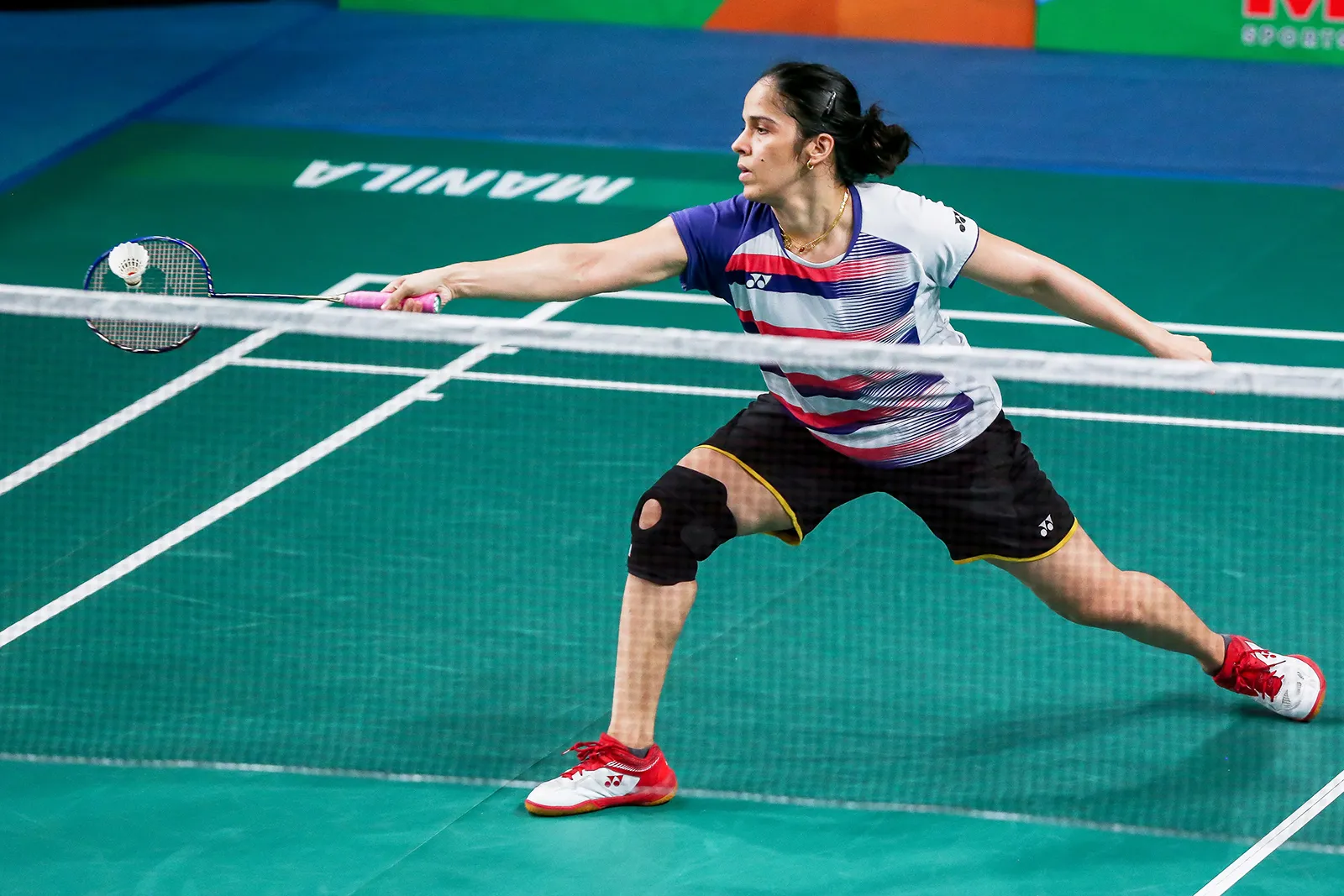





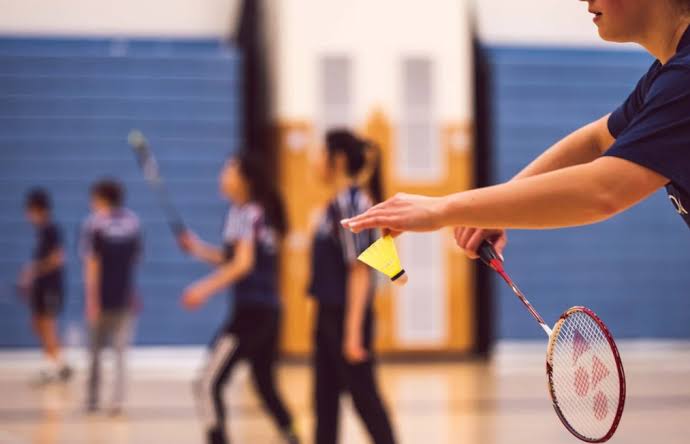
Badminton is a popular sport that offers more than entertainment. It is a fast-paced game that keeps the body moving and challenges the mind. Players run, jump, stretch, change direction and react quickly to the shuttlecock. These movements make badminton a useful form of physical activity for people of different ages and fitness levels.
Playing badminton regularly can support heart health, muscle strength, stamina, balance and mental wellbeing. It can also help people stay active, manage their weight and develop better coordination. You do not need to be a professional player to enjoy these benefits. Beginners can start with simple rallies and gradually improve their skills.
Here are 15 benefits of playing badminton daily and how the sport can support a healthier lifestyle.
15 Benefits of Playing Badminton Daily

1. Supports Better Heart Health
Badminton involves continuous movement, which makes the heart work harder. Players move around the court, chase shots and return the shuttlecock. These activities raise the heart rate and provide an aerobic workout.
Regular physical activity supports cardiovascular health and helps improve overall fitness. Playing badminton can contribute to your weekly exercise routine when you play at a suitable intensity.
2. Helps With Weight Management
Badminton can help you stay active and use energy. Running, jumping, lunging and moving across the court all require physical effort.
Playing regularly can support weight management when combined with balanced eating habits and enough sleep. The energy used during a game depends on factors such as playing intensity, body weight, session length and fitness level.
Badminton is also an enjoyable way to make exercise part of your routine.
3. Builds Muscle Strength
Badminton uses several muscle groups throughout the body. Your legs work when you run, jump and lunge. Your arms and shoulders help you serve, clear and smash the shuttlecock.
Your core muscles also help you maintain stability while changing direction. Regular play can improve muscular endurance and support general strength.
However, badminton should not replace every form of strength training. Exercises such as squats, lunges and resistance training can provide additional benefits.
4. Improves Agility
Agility is the ability to change direction quickly while maintaining control. It is an important skill in badminton because the shuttlecock can travel towards different parts of the court.
Players must move forward, backward and sideways within seconds. They also need to recover their position after each shot.
These movements challenge the legs and improve the ability to move efficiently. Regular practice can help players become quicker and more controlled on the court.
5. Develops Hand-Eye Coordination
Badminton requires players to watch the shuttlecock and hit it with the racket at the right moment.
This process involves the eyes, brain and muscles working together. Players must judge the shuttlecock’s direction, speed and distance before choosing a shot.
Regular practice can improve timing and coordination. These skills are useful in other sports and everyday activities that require accurate hand movements.
6. Increases Stamina and Endurance
A badminton match involves repeated bursts of movement. Players may sprint towards the net, move back to defend a shot and quickly return to the centre of the court.
These repeated actions challenge the body’s endurance. Regular play can help improve stamina and make physical activities feel easier over time.
The level of improvement depends on how often you play, how long your sessions last and how intensely you train.
7. Supports Mental Health
Physical activity can support mental wellbeing. Badminton gives players an opportunity to focus on the game, stay active and take a break from daily pressures.
Playing with friends or joining a local club can also provide social interaction. This can help people feel more connected and motivated.
Badminton can be an enjoyable part of a healthy lifestyle, although it should not be considered a replacement for professional support or treatment for mental health conditions.
8. Improves Reflexes and Reaction Time
Badminton is a fast game. Players often have only a short time to react to smashes, drops and unexpected returns.
They must quickly identify the direction of the shuttlecock and decide how to respond. Repeated practice can help improve badminton-specific reaction skills and make movements more instinctive.
Better reactions can also help players defend difficult shots and maintain control during longer rallies.
9. Improves Balance and Body Control
Players need good balance to move around the court without losing control. They often stretch for shots, land after jumps and change direction quickly.
These movements challenge the muscles responsible for stability. Regular badminton practice can help develop body awareness and movement control.
Balance is important for everyday activities such as walking, climbing stairs and reaching for objects. Players can also include balance exercises in their fitness routine.
10. Supports Bone Health
Badminton involves weight-bearing movements such as walking, running, jumping and landing. These activities place controlled demands on the bones and muscles.
Regular weight-bearing physical activity can support bone health. It is particularly useful when combined with suitable strength exercises and a balanced diet.
Players should still use proper footwear and avoid increasing training intensity too quickly. This helps reduce unnecessary stress on the joints and muscles.
11. Improves Flexibility and Mobility
Badminton requires players to reach for shots in different directions. They bend their knees, stretch their arms and move their bodies to return the shuttlecock.
These movements encourage the body to work through different ranges of motion. Regular practice can support mobility and movement control.
A proper warm-up is important before playing. Gentle dynamic movements can prepare the muscles and joints for the demands of the game.
12. Improves Concentration and Decision Making
Players must make quick decisions throughout a badminton match. They need to judge where the shuttlecock will land, identify their opponent’s position and select the right shot.
A player may choose a smash, clear, drop shot or net shot depending on the situation.
These decisions require attention and concentration. Regular practice can help players become more aware of court positions and improve their tactical understanding.
13. May Support Better Sleep
Regular physical activity can help create a healthier daily routine. Playing badminton may also help some people feel physically tired and relaxed after exercise.
A 2025 randomised controlled trial published in BMC Public Health examined different types of badminton training among 160 graduate students with sleep disorders. Participants in the training groups completed three sessions per week, with each session lasting one hour, over a 12-week programme.
The researchers reported improvements in sleep quality and anxiety levels among participants in the badminton-training groups. However, the study involved a specific group of students and does not prove that playing badminton every day will improve sleep for everyone.
Sleep habits, exercise timing and individual health can all influence results.
14. Builds Confidence and Self-Discipline
Learning badminton takes patience and regular practice. Beginners may initially struggle with serving, footwork and controlling the shuttlecock.
As players improve, they can gain confidence in their abilities. Learning new skills and achieving personal goals can also encourage self-discipline.
The sport teaches players to practise consistently, accept mistakes and keep improving. These habits can be useful beyond the badminton court.
15. Encourages Social Connections
Badminton is a social sport that can be played in singles or doubles. It gives people an opportunity to spend time with friends, family members and other players.
Joining a badminton club or playing at a local sports centre can help people meet others with similar interests.
Doubles badminton also encourages communication and teamwork. Players must coordinate their movements, support their partners and work together during rallies.
Physical and Mental Benefits of Playing Badminton
Badminton supports different areas of health and fitness. The table below summarises its potential benefits.
| Area | Potential Benefit |
|---|---|
| Heart health | Supports cardiovascular fitness |
| Weight management | Helps increase daily energy use |
| Muscular fitness | Challenges the legs, arms, shoulders and core |
| Agility | Develops quick changes of direction |
| Coordination | Improves timing between the eyes and hands |
| Stamina | Challenges aerobic endurance |
| Mental wellbeing | Provides an active break from daily stress |
| Reaction time | Encourages quick responses during play |
| Balance | Develops body control |
| Bone health | Provides weight-bearing movement |
| Mobility | Encourages movement through different ranges |
| Concentration | Requires attention and quick decisions |
| Sleep | May support better sleep as part of an active routine |
| Confidence | Encourages skill development and discipline |
| Social wellbeing | Creates opportunities for teamwork and connection |
How Often Should You Play Badminton?
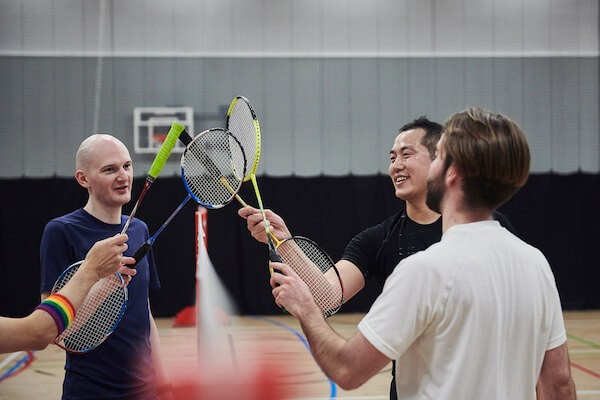
The ideal playing frequency depends on your age, fitness level, experience and health. Beginners should start slowly instead of trying to play for long periods every day.
The World Health Organization recommends that adults aged 18–64 aim for at least 150–300 minutes of moderate-intensity aerobic activity each week, or 75–150 minutes of vigorous-intensity activity. Adults should also include muscle-strengthening activities on at least two days each week.
Children and teenagers aged 5–17 should aim for an average of at least 60 minutes of moderate-to-vigorous physical activity each day.
Badminton can contribute to these activity targets. However, the intensity of a game varies between players and sessions.
You do not need to play every day to enjoy the benefits. Choose a schedule that suits your fitness level and allows enough time for recovery.
Tips for Playing Badminton Safely
Follow these simple tips to make your badminton sessions safer and more enjoyable.
- Warm up first: Spend a few minutes preparing your muscles and joints before playing.
- Wear suitable shoes: Choose court shoes that provide grip and support for sideways movement.
- Start gradually: Beginners should build up playing time and intensity over several weeks.
- Drink enough water: Stay hydrated before, during and after your session.
- Use proper technique: Learn basic footwork and racket movements to avoid unnecessary strain.
- Take rest days: Allow your muscles and joints enough time to recover.
- Listen to your body: Stop playing if you experience unusual pain, dizziness or excessive discomfort.
Playing badminton every day is not necessary to enjoy its benefits. Regular activity, suitable recovery and consistent practice are more important than pushing yourself too hard.
Conclusion
Badminton offers several physical, mental and social benefits. It can support heart health, weight management, stamina, muscle strength, coordination and balance. The sport also encourages concentration, confidence and social interaction.
The benefits depend on how regularly and safely you play. Beginners should start with manageable sessions and gradually increase their activity. Combine badminton with a balanced diet, enough sleep and other forms of exercise to support overall health.
Frequently Asked Questions
The main benefits include better cardiovascular fitness, improved stamina, muscle endurance, agility, coordination and balance. Badminton can also support mental wellbeing and provide opportunities for social interaction.
Yes. A 30-minute badminton session can contribute to your daily physical activity. The benefits depend on the intensity of play and your fitness level. It is also important to include rest and recovery when needed.
Badminton can support overall weight management because it involves running, jumping and continuous movement. However, it cannot specifically target belly fat. A balanced diet, regular exercise and healthy lifestyle habits are important for managing body fat.
Badminton can support mental wellbeing by providing physical activity, social interaction and an opportunity to focus on something enjoyable. Research has also reported improvements in anxiety and sleep quality following structured badminton training in a specific group of students.
Beginners can play regularly, but they should increase their playing time gradually. Starting with two or three manageable sessions each week can help the body adjust. Rest days are important, especially when muscles feel tired or sore.